Withering, shaking, resting and heat each guide a different change in the leaf. The final roast is a separate choice from oxidation.
1. Pick and wither the leaf
Tea makers begin with fresh Camellia sinensis leaf. A Fujian agriculture department guide describes a local picking standard that includes an opened shoot with several leaves rather than only the youngest bud. The picked leaf is then allowed to lose some moisture. Withering makes it more workable and begins the changes that will be guided through later stages.
The harvest season, weather and condition of the leaf affect the choices a maker makes. A fixed clock time cannot describe every batch. An informative account of a particular tea should identify its producer's approach rather than present a generic recipe as a guarantee.
- Manage moistureWither the leaf
- Develop aromaBruise and oxidize
- Heat and shapeCheck oxidation; roll
- Dry and finishStabilise the tea
Makers vary the handling and finish for different styles.
2. Shake, rest and let the edges change
Traditional oolong handling alternates movement with resting. Shaking or tossing brings leaves into contact with each other, lightly bruising parts of them. During the rests, oxidation develops. The Fujian agriculture department explains how shaking in traditional Tieguanyin production helps produce the familiar darker leaf edge around a greener centre.
The maker judges the leaf by more than elapsed time. Its feel, colour and developing aroma help determine whether another cycle is needed. This is why ‘partially oxidized’ describes a controlled range, not a single target percentage shared by all Tieguanyin.
3. Apply heat, shape and dry
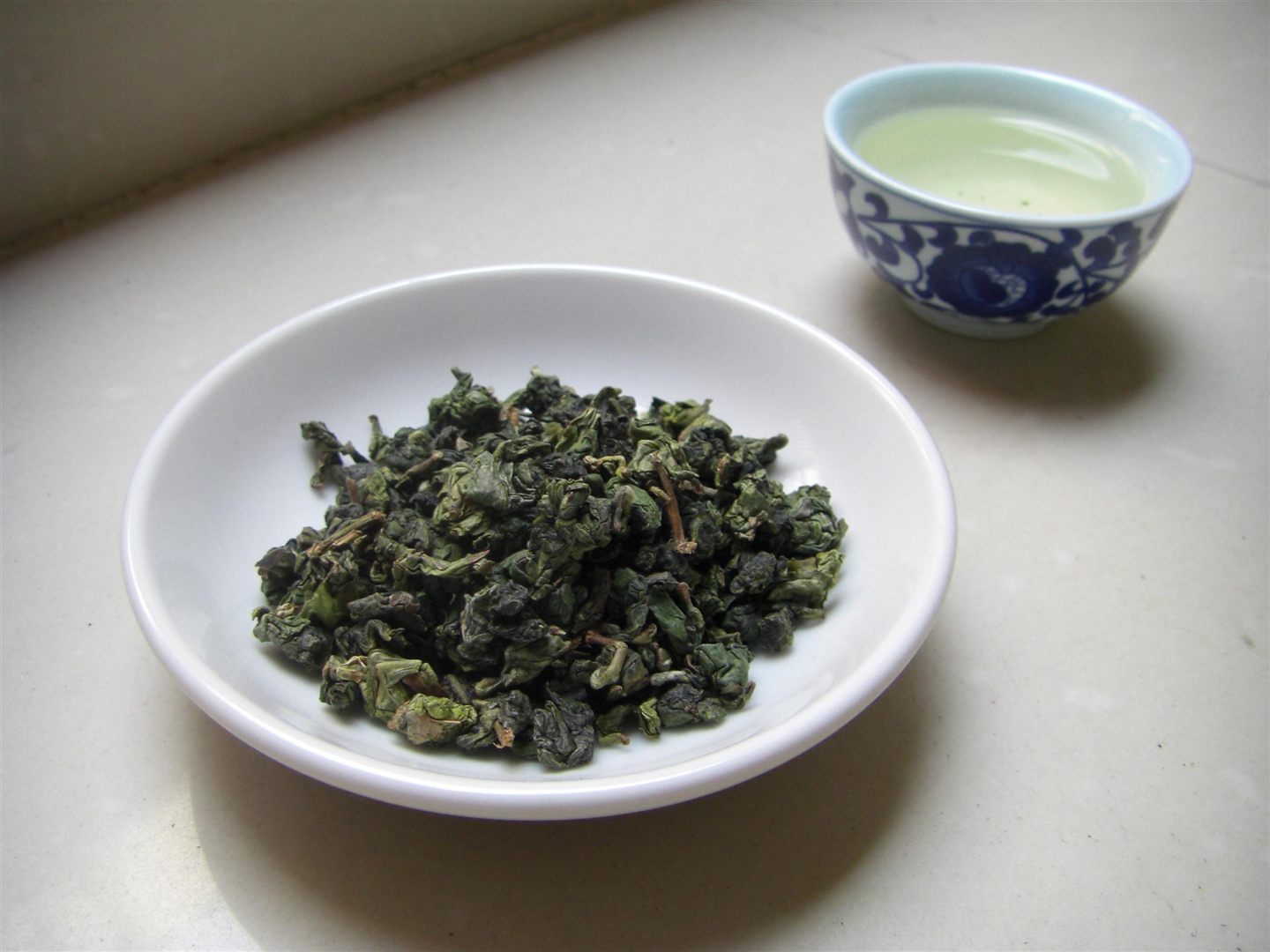
Once the maker judges the oxidation sufficient, heat is applied to limit further change. The leaf is then worked and shaped; Tieguanyin is often seen as a tightly rolled oolong, though the exact equipment and handling vary. Drying removes moisture needed for stable storage. These steps are connected: a tea's eventual shape is not evidence of its precise oxidation level.
A simple way to understand the process is to watch what each step controls. Withering changes moisture; shaking and rest guide oxidation; heat checks that reaction; shaping sets the leaf's form; drying prepares it for packing. None of these steps alone defines the finished cup.
4. Finish and identify the style
Anxi sources distinguish fragrant, richer-roasted and aged categories of Tieguanyin. A producer may sort, blend and roast the dried tea to reach a particular finish. The amount of roast is worth asking about because two teas sold under the same name may present quite differently. An aged style has its own storage and finishing requirements; age should not be inferred from a dark-looking leaf.
For a specific tea, useful details include the producing area, harvest, cultivar, finishing style and whether it has been roasted. These are questions to put to the seller, not facts this guide can supply for an unidentified packet.

