A cup and an infuser are enough to begin
A comfortable cup matters more than a ceremonial set. For one person, check the cup's working capacity: a 250-millilitre mug filled below the rim may give a more comfortable serving than a tiny cup that needs constant refilling. Wide, stable cups can be pleasant on a desk; thin glass makes the colour of the liquor visible, while a thicker ceramic cup often feels sturdier. Handle any hot vessel with care. Double-walled glass can reduce heat felt on the outside, but it is not a guarantee against burns or breakage.
A removable basket infuser should be broad enough for whole leaves to expand. A narrow tea ball may hold a small amount of broken leaf but crowds a long or tightly rolled tea. Check that the infuser fits the cup, sits above the finished drink when lifted out and can be emptied without digging leaves from a seam. The maker's brewing guidance gives a first steep time; removing the basket or pouring off the entire infusion gives you control over the next cup.
Tilt the lid slightly to hold leaves back while pouring. Use a manageable volume: the lid and rim can become hot.
When a pot helps, match its size to the people drinking
A teapot is useful when serving several cups together, provided its working volume matches what you actually pour. A large pot half filled for one person may lose heat faster than expected; a small pot can be refilled for several short infusions. If the pot has an integrated infuser, look at the basket before its outer appearance. Leaves need space, the lid should fit safely, and you should be able to lift the leaves clear when the steep is done. A separate strainer at the spout catches leaves during pouring, but it does not stop steeping while tea remains in the pot.
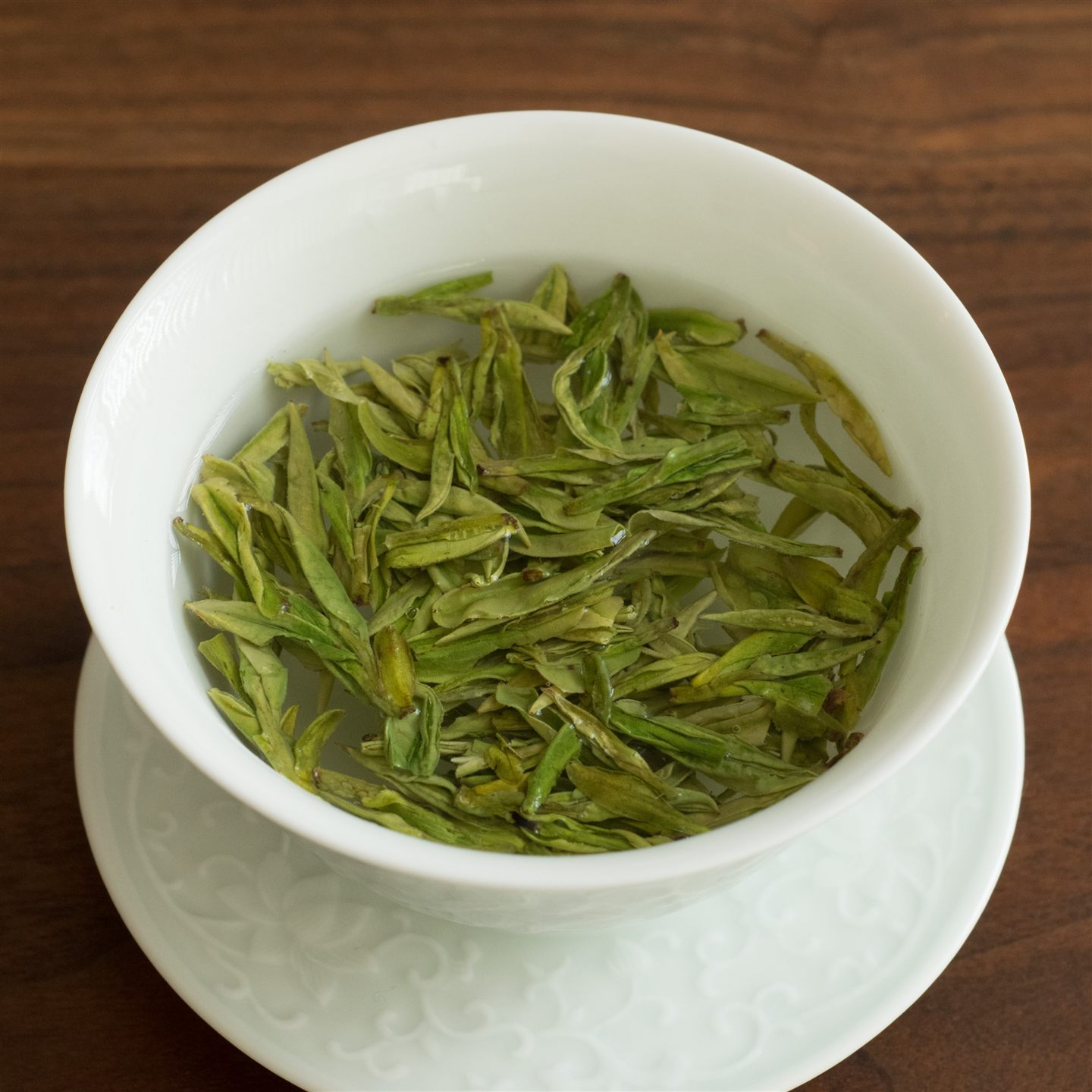
Glass is convenient for watching leaves unfurl and for seeing the liquor, especially with long green leaves or jasmine pearls. Colour, however, is only one clue to readiness: different teas naturally produce different colours, and lighting changes the way they appear. Taste the tea at a planned time and adjust the next infusion. Check the maker's instructions for heat limits, stove use and dishwasher suitability; glass and its fittings do not all tolerate the same treatment.
Small cups and gaiwans suit a different rhythm
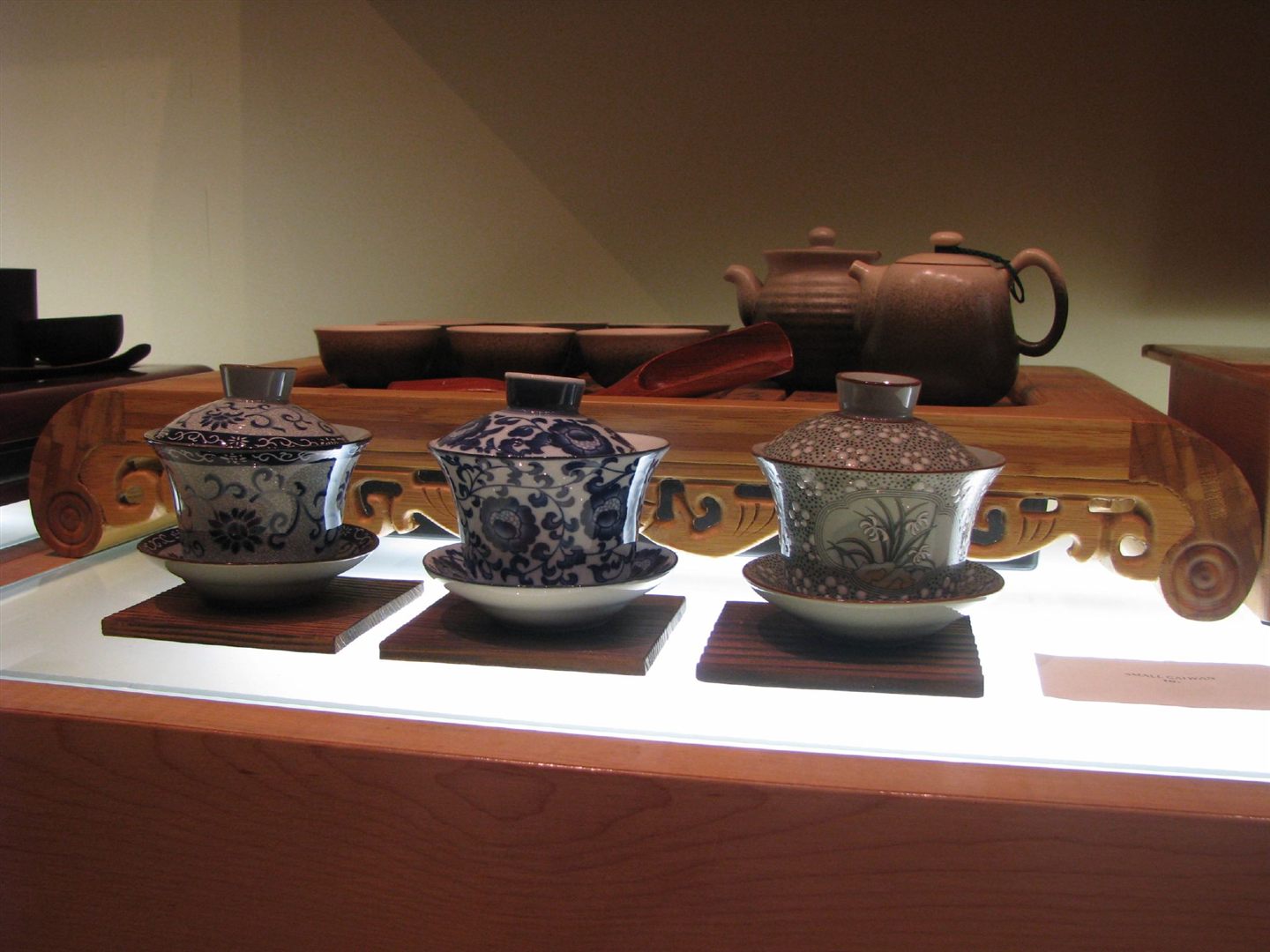
A small cup makes sense when tea is brewed repeatedly in a small vessel and shared immediately. It is less convenient if you want one large drink to carry away. A gaiwan, the lidded bowl used in many Chinese tea settings, can brew and decant leaves without an inserted basket. It rewards practice: the lid holds leaves back while the liquor is poured, and the rim and lid can become hot. Begin with a manageable volume and a steady tray or surface rather than filling it to the top.
You do not have to make short infusions to enjoy Chinese tea. A mug with a basket works for a single longer steep; a small pot or gaiwan can make several short ones. Compare them using the same leaf only if you are interested in how the cup changes. The amount of leaf, water and time will need adjusting when the vessel size changes, so a difference in taste does not automatically mean one tool is superior.
Clean the parts that touch wet leaf
Empty wet leaves soon after brewing, rinse the basket and spout, and let the pieces dry completely before putting them away. Check small holes, lid grooves and seals where fragments can remain. Follow the vessel maker's cleaning directions for its material. Many glazed ceramic, glass and stainless-steel pieces can be washed gently with suitable detergent and rinsed well; an unglazed clay pot may need different care and is often kept for a particular tea because it can retain aromas. Do not assume a metal filter, glass body and wooden handle can all go through the same dishwasher cycle.
If a vessel develops a persistent smell, inspect and clean the removable parts rather than masking it with a new tea. A cracked glass component or a loose handle is a reason to stop using that piece. The practical test of equipment is whether you can use it comfortably, pour safely and clean it after an ordinary weekday cup.
Choose a storage container for protection, not display
A transparent glass jar shows off attractive leaves and makes them easy to identify, but display and storage have different aims. Light, moisture, heat and nearby odours can diminish tea's character. Keep dry leaves in a well-sealed container in a cool, dry, dark place; a labelled opaque tin or a sealed inner bag inside a cupboard is often more useful than a decorative pot on a bright shelf. A loose cork lid may look appealing without providing a reliable moisture barrier. If you use glass, keep it in a dark cupboard and check its seal.
Choose a container close to the amount of tea you use and close it promptly after measuring. Keep a dedicated dry spoon if you use one. If tea has been stored cold in a sealed package, let the unopened package warm to room temperature before opening to avoid condensation reaching the leaves. Equipment should make it easier to enjoy the tea you already have; it cannot restore aroma after poor storage.

