For everyday tea, use clean, dry, opaque packaging that closes well, in a cool place away from cooking smells. Treat intentionally aged tea as a separate case.
Set up a dependable everyday container
Keep leaves in their opaque, well-sealed original pouch or a clean, dry, food-safe tin. A clear jar lets in light; a loose paper bag admits air and smells. Choose a cupboard away from the stove, sunlight, sink, and spices. Dry the container before filling it.
Open only what you plan to use regularly, and close it promptly after measuring the leaves. Smaller sealed portions can reduce repeated air exposure when you buy a larger amount. This is a practical way to protect aroma, not a promise that every tea will remain unchanged for a fixed period.
- Heat
- Light
- Moisture
- Odours
Aging teas can need different storage. Follow the producer’s guidance for those leaves.
Protect fresh green, scented, and green-style oolong teas
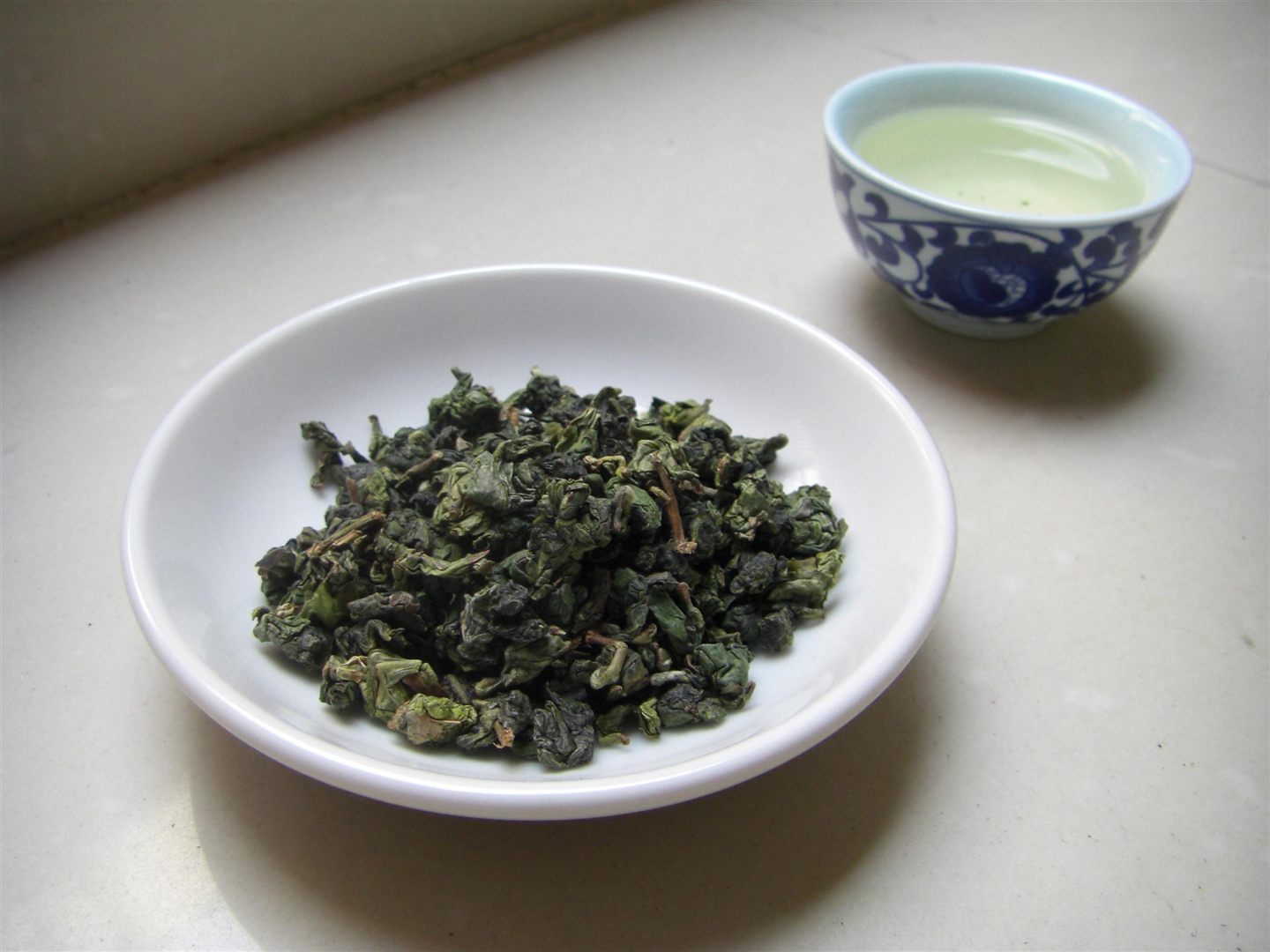
Fresh green tea and lightly processed green-style oolongs are often stored cold by tea producers to help preserve their character. A jasmine tea based on green tea generally follows its green-tea base; a scented black tea may have different storage needs. The scent alone is not enough to choose a method. When you can, follow the maker’s note for the actual blend or leaf.
Refrigeration is an option only if the tea is carefully sealed against moisture and food odors. Place the pouch inside another closed container if the fridge has aromatic foods. Bring the sealed package to room temperature before opening it, so moisture does not condense on cold leaves. For a small supply you will use soon, a cool, dry cupboard may be simpler than repeatedly moving a pouch in and out of the fridge.
Keep aging teas on their own plan
Some pu-erh teas are deliberately kept to mature, so their storage is not the same as sealing a fresh green tea as tightly as possible and chilling it. TeaVivre advises a clean, dry, ventilated place for pu-erh, protected from sunlight and other odors. Tea Guardian also distinguishes maturing pu-erh and certain roasted oolongs from teas stored cold for freshness.
If you have a cake intended for aging, retain its identifying wrapper or label and use the producer’s storage guidance. Keep it away from kitchens or damp spaces that introduce smells or mold risk. Roasted oolongs vary: some are kept for later development, while a tea meant for immediate drinking can follow its maker’s sealed-packaging directions. Do not assume every dark-colored leaf needs the same air exposure.
Check the leaves before making a cup
A fading aroma may mean a tea no longer tastes as lively as it once did; it does not establish a universal expiration date. If leaves are visibly moldy or have a musty or foreign odor, discard them rather than trying to rescue them with a hot brew. Tea storage is about keeping the leaves dry, clean, and pleasant to drink.
Label the container with the tea name and opening date to help rotate your supply. Keep teas separate, especially strongly scented leaves. A few sensible habits do more than a storage setup that is difficult to maintain.

